
Hair Bundles Explained: Length, Counts and Care
How bundle length is measured, how many bundles to plan for, and how to comb, wash and heat-style them, with five short animations.
Shopper-focused guides answer specific questions about eyewear, beauty products and style.
Show readers what is known, what is uncertain and which details should be verified at source before purchase.
Separate educational context from medical advice, avoid cure language and disclose commercial relationships clearly.
Use the Journal to explain the science, context and editorial judgement behind product classification.
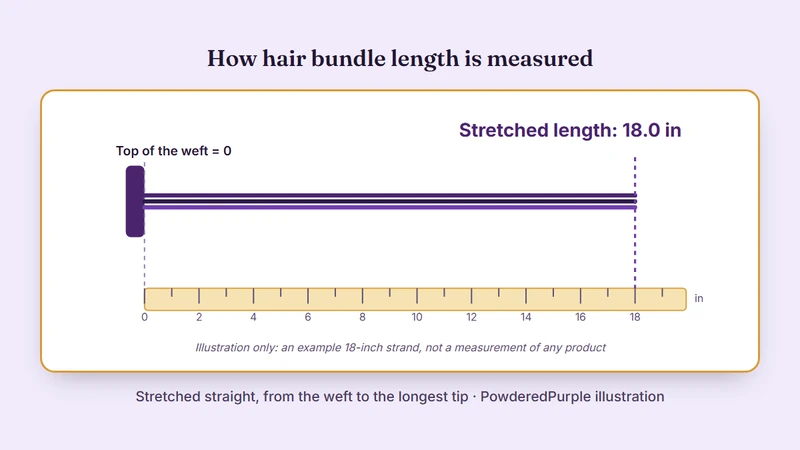
How bundle length is measured, how many bundles to plan for, and how to comb, wash and heat-style them, with five short animations.
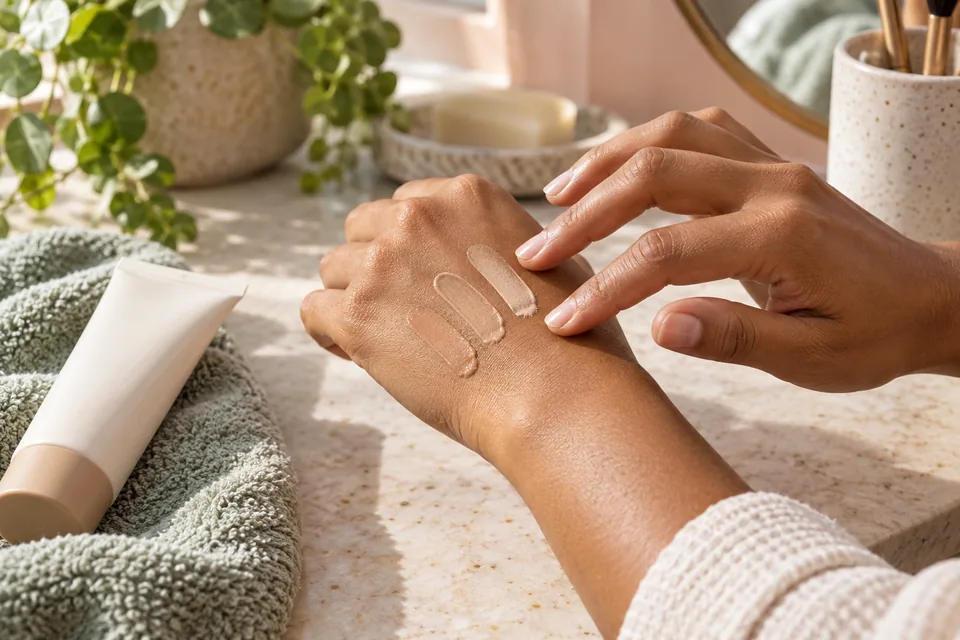
Broad spectrum versus SPF, zinc against titanium, shade range, and which claims are regulated and which are not.
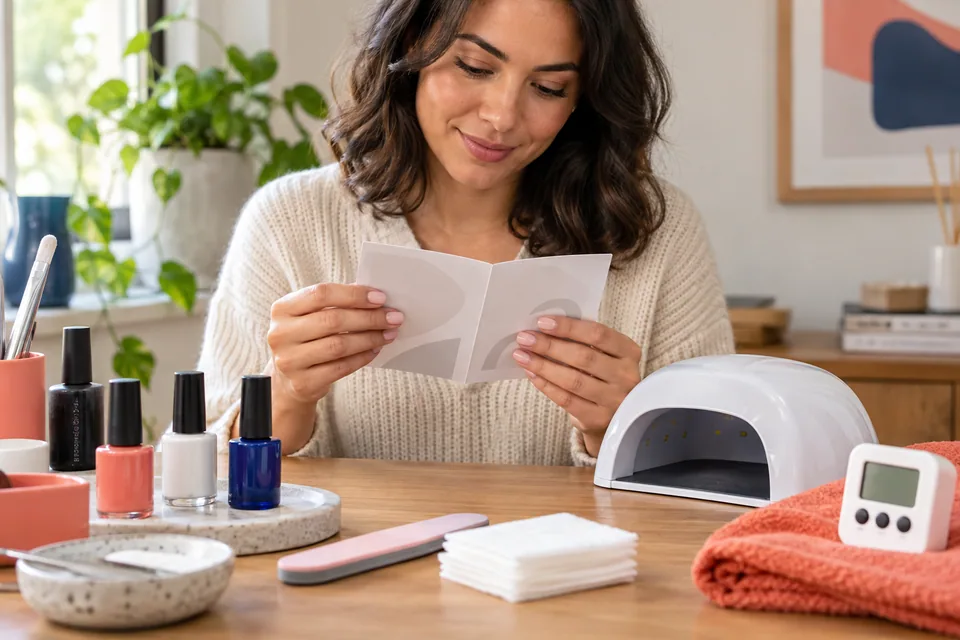
The lamp does the work — wavelength over wattage, what belongs in the box, and why removal is the step that matters.

A reader-friendly checklist for comparing labels, retailer details, active ingredients and claim wording.
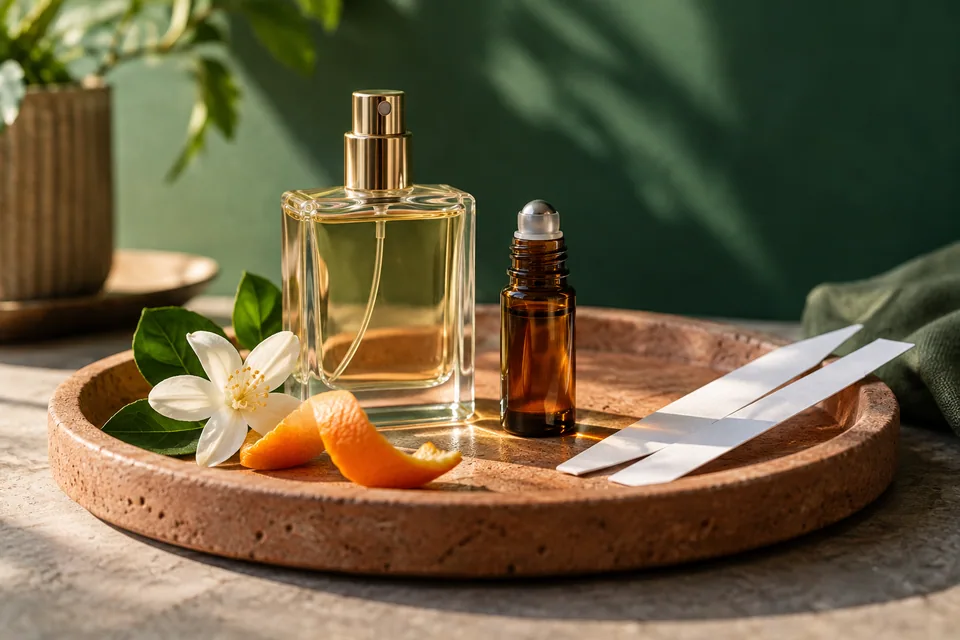
Learn why alcohol-based elixirs project across a room while carrier oils create an intimate scent bubble on skin.
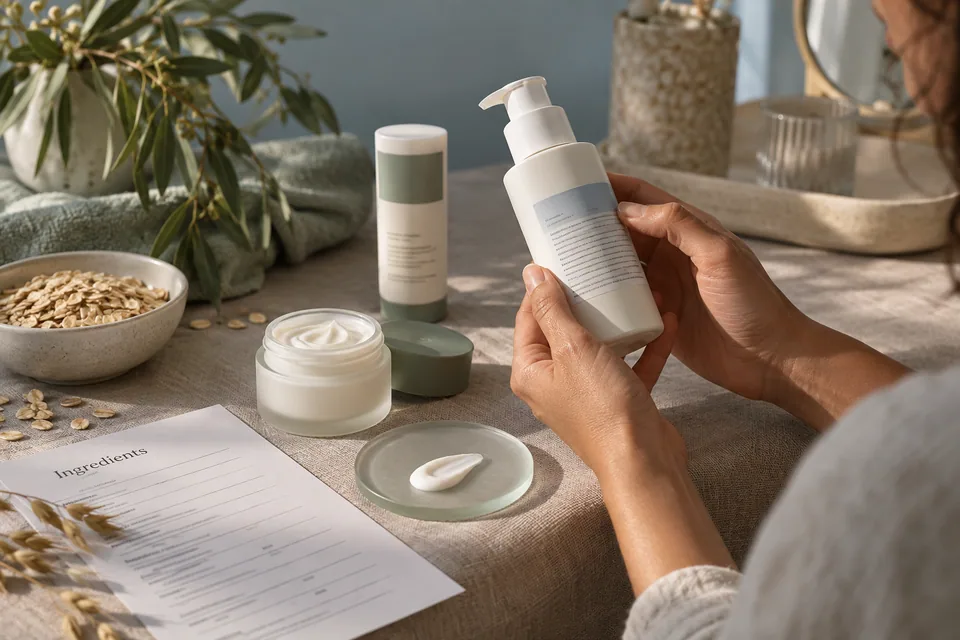
Understand barrier language, ingredient order, fragrance and cosmetic boundaries.

A clearer way to compare vitamin A skincare, packaging, tolerance and wording.

Compare filters, broad-spectrum wording, tint and application without overpromising.

A buyer-friendly guide to surfactants, fragrance, scalp sensitivity and label language.

Use fibre, care, construction, fit and repeat wear to assess a wardrobe piece.
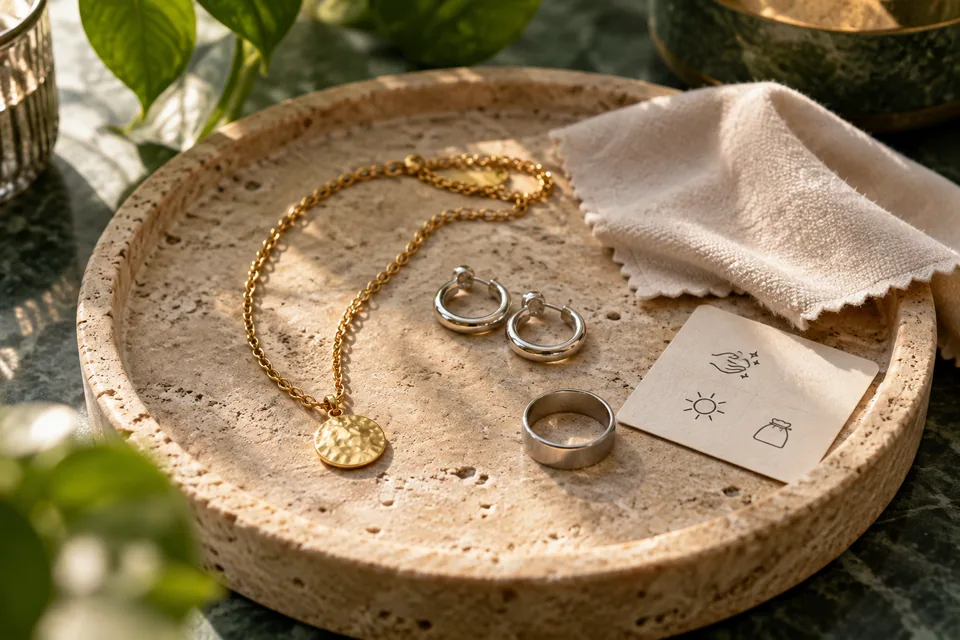
A practical guide to metal, plating, stone and care descriptions.
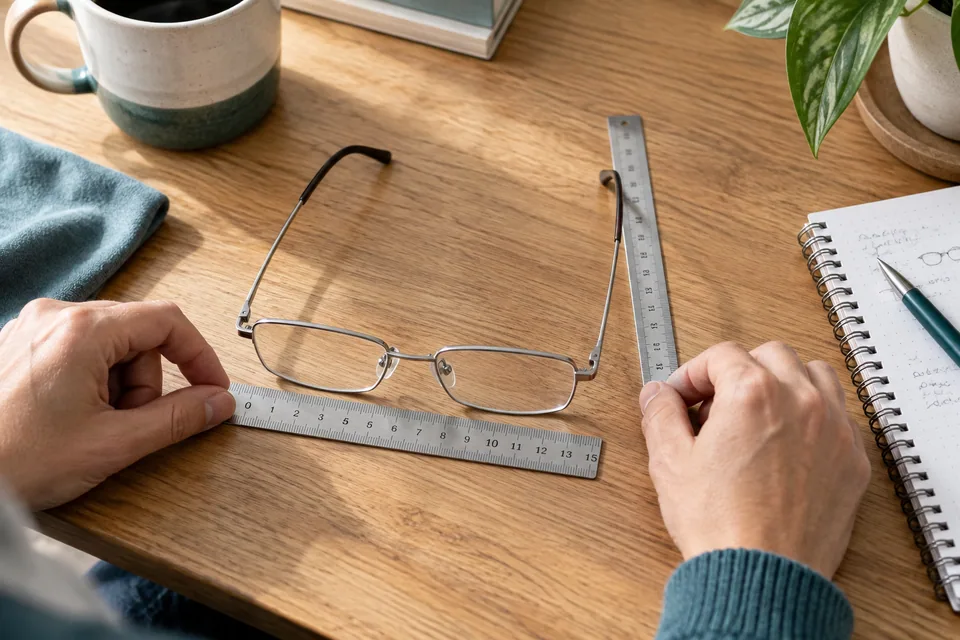
Understand lens width, bridge width and temple length, then compare a frame with one you already wear.

Compare glare reduction, screen visibility and UV labels to decide whether polarised lenses match your use.

Compare brown and tortoiseshell frames by listed colour, lens details, measurements and the evidence a product page provides.

Use measurements and fit checks to compare narrow- and wide-fitting frames without treating face-shape labels as guarantees.
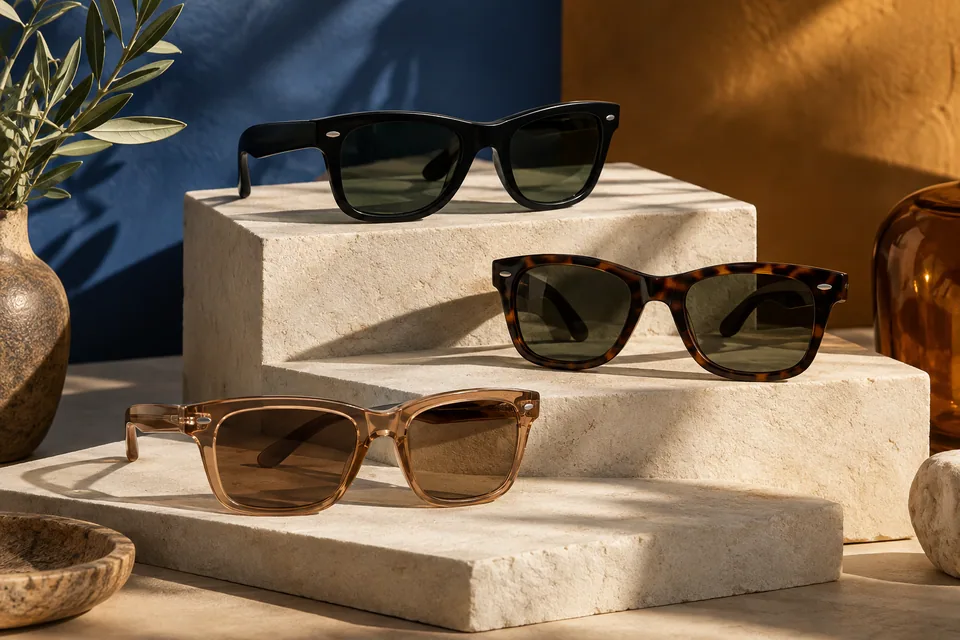
Distinguish Wayfarer model codes, colourways, lens options and sizes instead of assuming every listing describes the same frame.

Browse verified eyewear catalogue records that list lens width, bridge width and temple length, with clear coverage limits.

Use face-shape ideas as a styling starting point, then compare frame width, bridge, lens position and comfort before choosing eyewear.
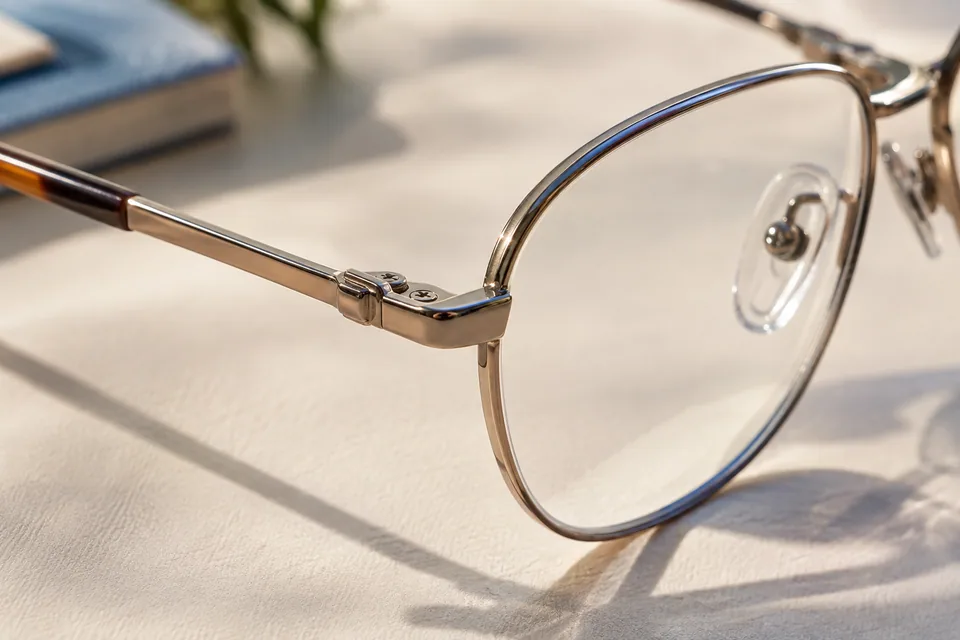
A plain-language glossary of lens width, bridge, temple length, fit, polarisation and UV information in product listings.

Runway and editor reports point to shield, oversized, wire and colourful frames. Compare the style with fit, lens and UV details.

Compare camera, audio and display glasses, battery life, prescription options, phone compatibility and South African support before buying.

How to structure a researched product roundup.
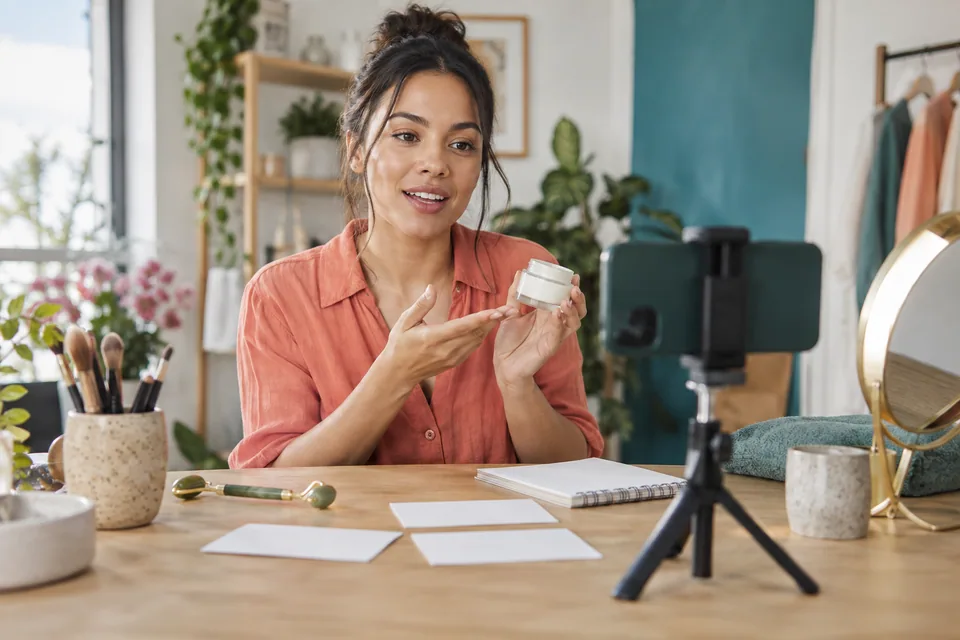
Plan clearly labelled beauty videos with a useful structure.

A source-based framework for product comparisons and affiliate content.

Organise seasonal fashion content and publishing dates.

Keep research, editing and accountability in an AI-assisted workflow.
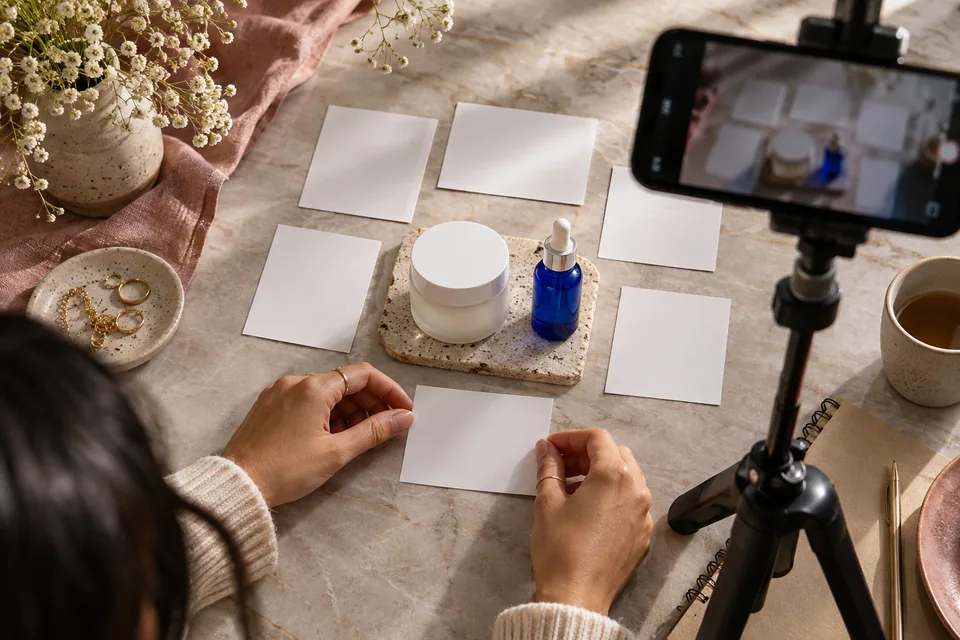
Explore formats for researched skincare editorial content.

Understand how catalogue classification supports fair comparisons.
No articles in this category yet. Try another Journal filter.
Product pages can show classification, facts and retailer links. Journal articles expand the editorial layer: why an ingredient comparison matters, which claim needs a caveat, what a creator should disclose and how a reader can make a better decision.