
Retinol vs retinal: compare the ingredient, not the hype
Editorial notice: This Journal article is independent educational content. This page currently contains no affiliate links and no paid placement. Product information should be checked against the cited sources and current product label.
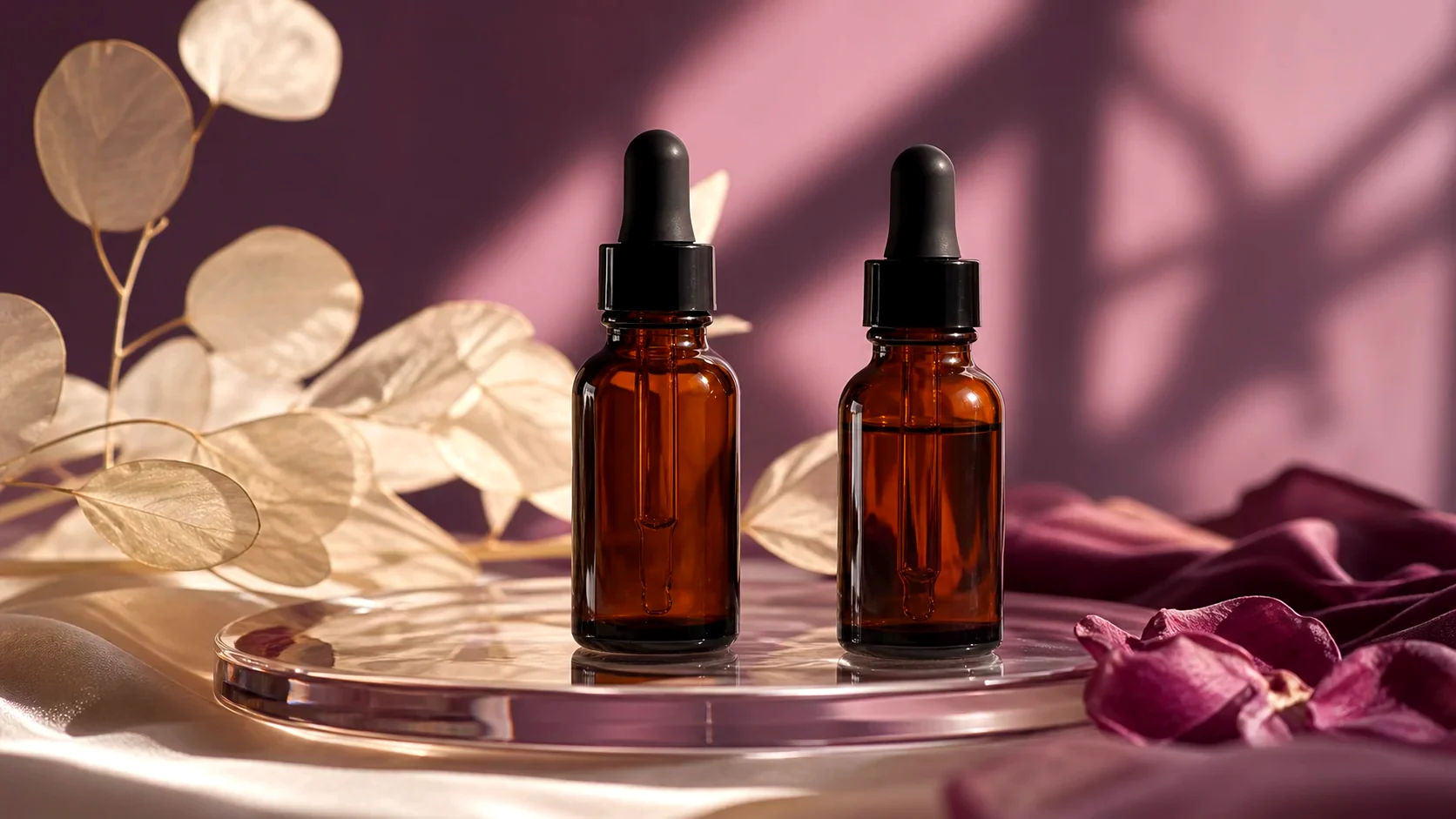
The names are related, not identical
Retinol and retinal are vitamin A derivatives used in cosmetic and dermatology contexts. They are often discussed together, but they are not the same ingredient and product strengths are not directly interchangeable. A reader needs the exact ingredient name, concentration where provided and directions before a meaningful comparison is possible.
Start with tolerance
A stronger-sounding ingredient is not automatically a better choice. Frequency, formulation, packaging, moisturiser use and individual sensitivity shape the experience. Product copy should explain gradual introduction and irritation cautions without promising that a routine will erase a particular condition or change someone’s identity.
Packaging is part of the formula story
Light and air can matter for some vitamin A formulations, so packaging deserves attention. An opaque pump and a clear dropper are not interchangeable simply because the front label names the same family of ingredient. A product record should state what the source says rather than inventing a stability ranking.
What to avoid
Do not recommend a cosmetic active as a treatment for acne, eczema, scarring or other disease without appropriate medical context. Do not copy a dramatic before-and-after promise as editorial fact. The responsible comparison describes cosmetic use, cautions and the limits of the evidence.
The useful comparison
Record exact ingredient, concentration, package, directions, supporting ingredients, fragrance, price only when verified and safety guidance. Then explain who might prefer a lower-intensity routine or a simpler formula. Clarity is more helpful than a single “winner.”
Editorial status
- Author
- PowderedPurple Editorial Team
- Accountable editor
- Bohlokoa, publisher and editor
- Responsible publisher
- PowderedPurple (Pty) Ltd
- Last reviewed
- Next scheduled review
- Clinical review
- Not reviewed by a registered healthcare professional. This article is limited to public sources and editorial explanation.
- Corrections history
- Corrections are logged by PowderedPurple (Pty) Ltd. View the corrections record or email info@powderedpurple.com.
References
Sources were selected for public accessibility and checked on 1 August 2026.