
How to assess a tinted mineral sunscreen
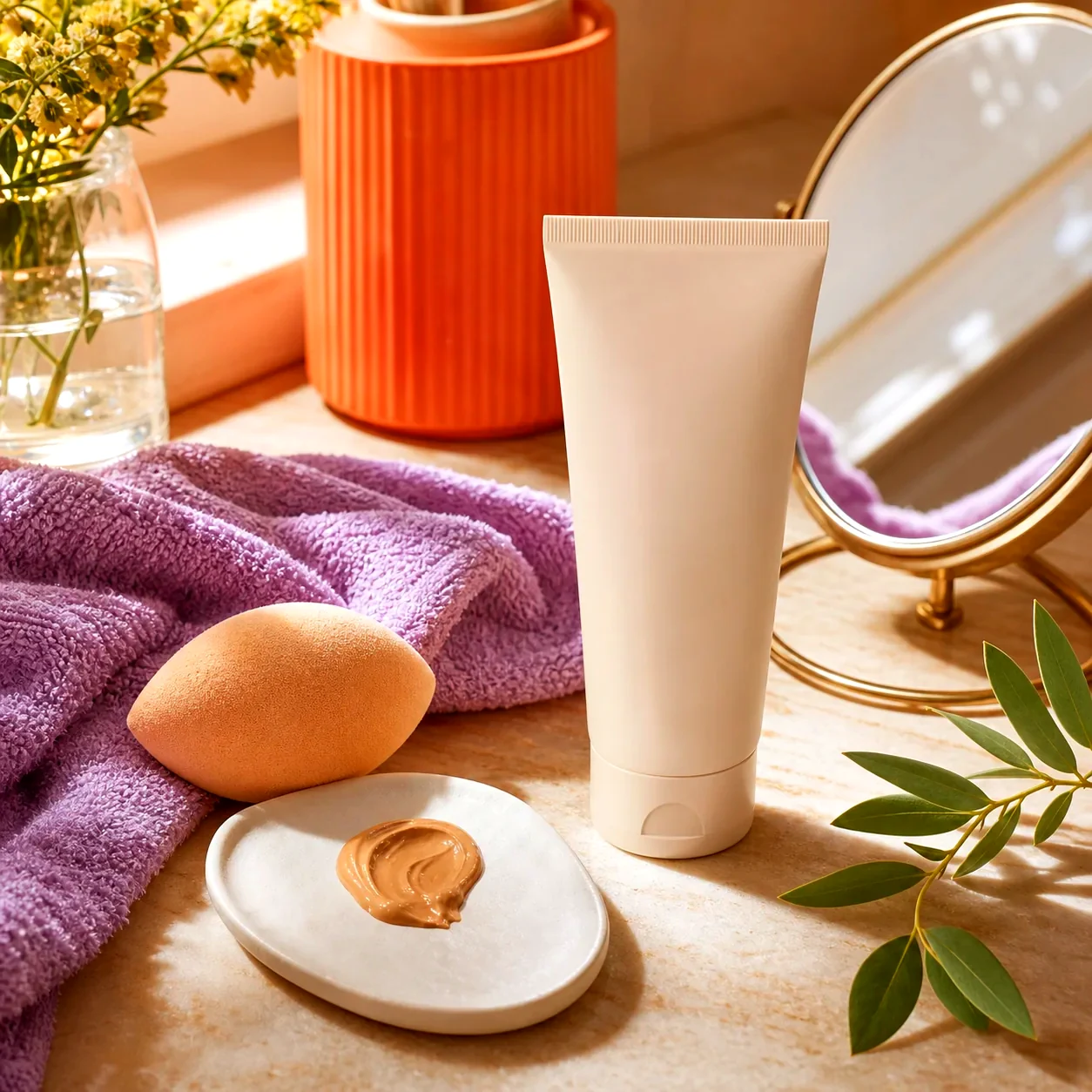
Editorial notice: This is a category buying guide, not a product recommendation. PowderedPurple is not currently affiliated with any brand or retailer mentioned here, no links on this page are affiliate links, and PowderedPurple does not earn commission from them.
Tinted mineral sunscreen sits at the intersection of skincare and complexion makeup. This guide separates test-linked label information from shade, finish and application preferences.
1. SPF and broad spectrum are separate label claims
SPF primarily reflects sunburn protection under test conditions, while broad-spectrum wording indicates coverage across UVA and UVB under the applicable test. FDA describes the SPF and broad-spectrum tests and the associated label terms.
2. Identify the mineral active ingredients
Zinc oxide and titanium dioxide are mineral sunscreen actives that can appear on the active-ingredient panel. Compare the actual current label rather than assuming that “mineral” or “natural” is a complete performance description. FDA lists common sunscreen active ingredients and explains what SPF means.
3. Treat tint as a practical attribute
Tint can affect cast, shade matching and finish. AAD notes that iron-oxide tint may add visible-light protection relevant to dark spots; that does not establish the same benefit for a specific product unless the current formula confirms the ingredient.
4. Check water resistance and reapplication
Water resistance is a tested time-limited claim, not “waterproof”. Check whether the label states 40 or 80 minutes and follow the reapplication directions. FDA’s sunscreen labelling guide sets out these requirements.
5. Use enough and follow the label
AAD recommends about one ounce for an average adult body and at least one teaspoon for the face. The amount, exposed-skin coverage and reapplication schedule are part of interpreting the labelled SPF; a higher number does not authorise reduced application.
6. Keep South African context visible
CANSA’s SunSmart guidance recommends broad-spectrum sunscreen together with shade, protective clothing and reapplication. Use those public-health measures as context rather than presenting sunscreen as a standalone guarantee.
7. Separate regulated claims from marketing language
Descriptions such as “reef safe”, “clean” and “non-comedogenic” should be checked against the product’s evidence and jurisdiction. SAHPRA’s advertising guidance is the relevant South African reference for health-product advertising boundaries.
Editorial status
- Author
- PowderedPurple Editorial Team
- Accountable editor
- Bohlokoa, publisher and editor
- Responsible publisher
- PowderedPurple (Pty) Ltd
- Last reviewed
- Next scheduled review
- Monetisation
- Editorial only — no affiliate relationship exists for this guide.
- Corrections history
- Corrections are logged by PowderedPurple (Pty) Ltd. View the corrections record or email info@powderedpurple.com.
References
Each source was selected for the sunscreen claim it supports and checked for reachability on 3 August 2026.
- American Academy of Dermatology - How to apply sunscreen
- American Academy of Dermatology - Dark spots and tinted sunscreen
- U.S. FDA - Sunscreen: How to help protect your skin from the sun
- U.S. FDA - Sunscreen labelling and effectiveness testing
- CANSA - Be SunSmart
- SAHPRA - Guidelines for advertisement of medicines and health products