
Sport Sunglasses Buying Guide: Wrap, Grip and Lens Choice
How to compare sport sunglasses: coverage, grip, lens tint, polarisation, UV labels and when sunglasses are not protective eyewear.
How this guide is built: It explains what to compare from published product information. Retailer listings can be incomplete or change; verify the exact item with the seller before purchase.
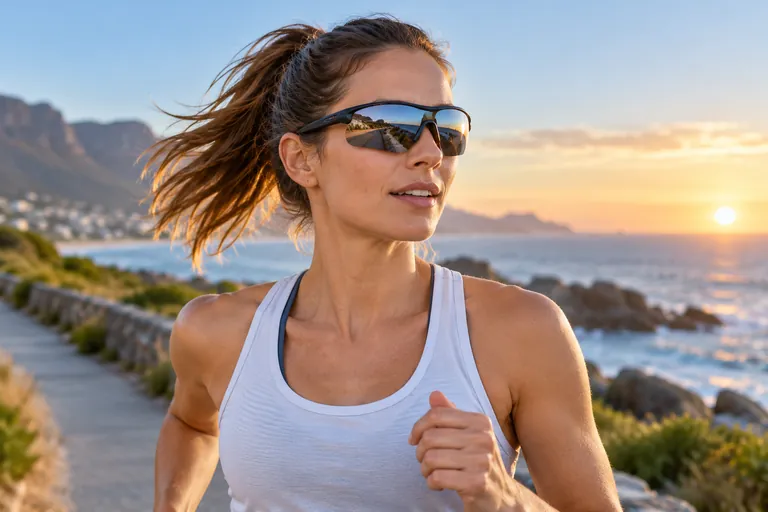
Sport sunglasses are described by what they are meant to do: stay put, cover the eye area and cope with bright, changing light. This guide explains what to look for in a listing for running, cycling, golf, fishing and similar outdoor use.
It is based on public guidance and on how retailer listings are written. Sunglasses of any kind are not a substitute for protective eyewear specified for impact or industrial use.
UV protection comes first, whatever the sport
Check that the listing states UV400 or 100% UVA and UVB protection. The U.S. Food and Drug Administration advises this label, notes that a dark tint does not indicate UV protection and that pricier pairs do not ensure more protection. [1] The National Eye Institute gives the same label advice. [2] A sport name or a wrap shape does not replace the label.
Coverage and fit: wrap, nose pads and temple grips
The FDA notes that large, wraparound frames may give more UV protection because they cover the entire eye area, and the National Eye Institute recommends wraparound sunglasses or goggles for intense light, noting that a snug fit limits light from the sides. [1][2] For sport, fit also means the pair stays in place when you move.
- Look for adjustable or rubberised nose pads and temple tips that grip without pressing.
- Check the measurements. Lens width, bridge width and temple length decide whether a pair sits comfortably. (How to read frame measurements)
- Consider whether you wear a cap, helmet or headband, which changes how the arms sit.
- Check how much the frame leaves open at the top and sides.
Lens tint, polarisation and changing light
Lens colours change how the scene looks. A listing may say a tint suits bright sun, mixed light or low light. Treat that as the seller’s description; a tint does not change the UV label, and the FDA notes that lighter tints can protect as well as very dark ones. [1]
Polarised lenses reduce some reflected glare, for example from water or snow. [2] That helps some people on the water or on snow and bothers others when reading a display, so decide from your own use. Our guide to polarised and non-polarised sunglasses sets out the trade-offs. (Polarised vs non-polarised sunglasses)
Some pairs come with interchangeable lenses. If you need them, check how the lenses fit, what each one is described as being for, and whether spare lenses are included.
Are polarised lenses good for sports?
It depends on the sport and the person. Reflected glare is common on water, snow and wet roads, which is where polarisation is usually discussed. Some people find that polarised lenses change how surfaces or screens look, which can matter for activities that involve reading a display or judging a surface. If the choice matters to you, try the pair in conditions like yours when the seller’s returns allow it.
Impact, safety and what sunglasses are not
Sunglasses sold in the United States are subject to a requirement that lenses withstand an impact test; the FDA’s lens guidance describes it. [3] Passing that test does not turn sunglasses into protective eyewear. Activities that involve flying debris, balls, tools or high-speed impact call for eyewear specified for that purpose, and the National Eye Institute recommends goggles for tasks that create flying debris. [2] Check what the manufacturer states the product is for.
If you need prescription lenses, ask an optometrist or the seller whether the frame can take them; sport frames with strong curves can limit prescription options.
What price tells you, and what it does not
Price does not tell you the UV protection of a pair, as the FDA and the National Eye Institute both note. [1][2] More expensive pairs may offer more adjustability, spare lenses or a better case, but those are details to read in the listing, not assumptions to make from the cost.
A short checklist before you buy
- UV400 or 100% UVA and UVB is stated in words.
- The frame covers the eye area and the fit stays secure when you move.
- Lens tint and polarisation suit the light you will use them in.
- Spare or interchangeable lenses are described if you want them.
- The return terms let you try the pair in real conditions.
Browse sport sunglasses
Frequently asked questions
What’s the best kind of sunglasses to buy for sport?
There is no single best kind. Start with a stated UV400 or 100% UVA and UVB label, then look for coverage, a secure fit and a lens tint that suits your light. Check the return terms so you can try the pair in your real conditions.
Are polarised lenses good for sports?
They can reduce reflected glare from water, snow and wet surfaces, which is why they are often discussed for those settings. Some people find that they change how screens or surfaces look, so the answer depends on the sport and the person.
What is the difference between cheap and expensive sunglasses?
Price does not tell you UV protection; the FDA and the National Eye Institute both advise checking the UV label. Higher prices may bring more adjustability, spare lenses or a better case, but check those details in the listing.
Can I use sport sunglasses as safety glasses?
Not unless the manufacturer states they are specified for that purpose. Impact or industrial work calls for eyewear designed and labelled for it.
Where to look next
Browse the matching category: sport sunglasses.
Editorial status
- Author
- PowderedPurple Editorial Team
- Responsible publisher
- PowderedPurple (Pty) Ltd
- Last reviewed
- Next scheduled review
- Hands-on testing
- None claimed. The guide uses cited public sources and retailer-listed product details.
- Monetisation
- Editorial only. This page carries no affiliate links.
- Corrections history
- Corrections are logged by PowderedPurple (Pty) Ltd. View the corrections record or email info@powderedpurple.com.
Sources
Sources were opened on 29 October 2026 and are cited for the specific points they support.
Return to the eyewear research hub · Browse the South African eyewear catalogue
Editorial notice: This guide is independent editorial research, not a product recommendation or ranking. The links on this page are not affiliate links, and PowderedPurple does not earn commission from them. Some PowderedPurple product profiles it links to carry clearly disclosed paid links to the retailer.