
Aviator Sunglasses Buying Guide: Sizes, Lenses and Fit
How to compare aviator sunglasses: the shape, pilot versus aviator wording, sizing, lens and UV labels, nose pads and return terms.
How this guide is built: It explains what to compare from published product information. Retailer listings can be incomplete or change; verify the exact item with the seller before purchase.
Aviator is one of the most widely listed sunglasses shapes, and the word is used loosely. This guide explains what the name usually describes, how to check the size and lenses, and what to read in a listing before you buy.
It is written from public guidance and from how retailer listings are usually structured. The guide does not rank brands or recommend a product.
What “aviator” usually describes
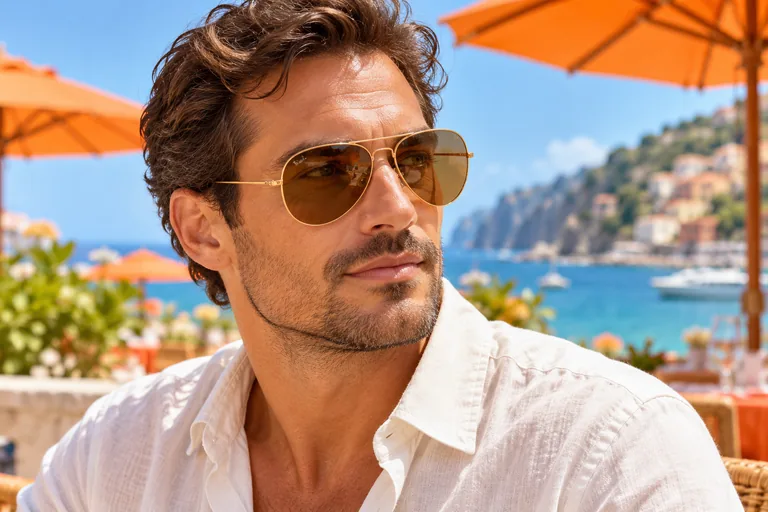
Listings use the word for sunglasses with large, rounded or teardrop-shaped lenses, a thin frame, usually metal, and a double bridge across the nose. The details vary between products, and the name is a style description rather than a defined standard.
The shape is available in many materials and sizes, and in versions with plastic or mixed frames. Check the pictures and measurements for the exact pair, not just the word in the title.
Pilot or aviator?
People ask what the difference is between pilot and aviator sunglasses. In listings the two words are often used interchangeably, and some sellers use “pilot” for a slightly squarer or larger lens. Because there is no fixed definition, compare the lens shape, the frame measurements and the photographs rather than relying on either word.
Types you will see
These are descriptions retailers commonly use, not categories with fixed rules.
- Classic: thin metal frame, teardrop lenses, double bridge.
- Rounded or oversized: larger lenses with a softer outline.
- Squared or flat-top: a straighter top line on the lens.
- Mixed material: a metal frame with a plastic brow bar or plastic temple tips.
- Polarised and mirrored versions: the lens treatment is described separately from the frame shape.
Sizing and nose pads
Lens width, bridge width and temple length decide whether a pair fits. The thin frame and the nose pads do most of the work of holding an aviator on the face, so check that the pads are adjustable if you need a close fit; an optician can usually adjust them. Our guide to frame measurements explains how to read the numbers. (How to read frame measurements)
Large lenses cover more of the eye area. The U.S. Food and Drug Administration notes that large, wraparound frames may give more UV protection because they cover the entire eye area, [1] and the National Eye Institute notes that a snug fit limits light entering from the sides. [2]
UV protection and lenses
- Check that the listing states UV400 or 100% UV protection. [1][2]
- The FDA notes that a dark tint does not indicate UV protection, that lighter tints can protect as well as very dark ones and that pricier sunglasses do not ensure greater UV protection. [1]
- Polarised lenses reduce some reflected glare, for example from water or snow, [2] and are a separate property from UV protection.
- Mirrored coatings change how the lens looks from outside; the listing should still state the UV protection.
- Our guide to polarised and non-polarised sunglasses explains the trade-offs. (Polarised vs non-polarised sunglasses)
Prescription and the order
If you need prescription lenses in an aviator frame, ask the seller or your optician first, because large lenses and thin frames can limit lens options. Check the return window and who pays for postage, and confirm the exact model and colour code on the seller’s current page. The product profiles on PowderedPurple show retailer-recorded details and are not an independent check.
A short checklist before you buy
- UV400 or 100% UVA and UVB is stated in words.
- Lens width, bridge width and temple length match a pair that fits you.
- The nose pads are adjustable if you want to fine-tune the fit.
- You know whether the lenses are polarised or mirrored.
- The return terms are clear.
Browse aviator sunglasses
Frequently asked questions
What is the difference between pilot and aviator sunglasses?
There is no fixed definition. Retailers often use the two words interchangeably, with “pilot” sometimes meaning a slightly squarer or larger lens. Compare the lens shape and the measurements in the listing rather than the word.
What are the different types of aviators?
Common descriptions include the classic thin metal frame with teardrop lenses, rounded or oversized versions, squared or flat-top versions and mixed-material frames. These are retailer descriptions rather than fixed categories.
How do I check the size of aviator sunglasses?
Find lens width, bridge width and temple length in the listing and compare them with a pair that fits you. They are usually printed inside a temple arm.
Do aviator sunglasses need to be polarised?
No. Polarisation reduces some reflected glare, but it is a separate property from UV protection. Choose it if glare is a recurring issue, and check the UV label either way.
Where to look next
Browse the matching category: aviator sunglasses.
Editorial status
- Author
- PowderedPurple Editorial Team
- Responsible publisher
- PowderedPurple (Pty) Ltd
- Last reviewed
- Next scheduled review
- Hands-on testing
- None claimed. The guide uses cited public sources and retailer-listed product details.
- Monetisation
- Editorial only. This page carries no affiliate links.
- Corrections history
- Corrections are logged by PowderedPurple (Pty) Ltd. View the corrections record or email info@powderedpurple.com.
Sources
Sources were opened on 29 October 2026 and are cited for the specific points they support.
Return to the eyewear research hub · Browse the South African eyewear catalogue
Editorial notice: This guide is independent editorial research, not a product recommendation or ranking. The links on this page are not affiliate links, and PowderedPurple does not earn commission from them. Some PowderedPurple product profiles it links to carry clearly disclosed paid links to the retailer.