
Eau de Parfum vs Eau de Toilette: What the Labels Mean
What eau de parfum, eau de toilette, extrait and cologne usually mean, why the names are not exact, and how to compare them in a listing.
How this guide is built: It explains what to compare from published product information. Retailer listings can be incomplete or change; verify the exact item with the seller before purchase.
The words on a fragrance box, eau de toilette, eau de parfum, parfum and cologne, are meant to signal strength. They are used differently by different brands, so the label is a clue rather than a measurement. This guide explains what the names usually indicate and what else to check.
It is written from public regulator guidance and from how retailers describe fragrances. The guide does not rank products or recommend one.
What the names usually indicate
All of these names describe a fragrance diluted in alcohol, and they indicate roughly how much fragrance material it contains. As a general rule they run from lighter to stronger: eau de cologne, eau de toilette, eau de parfum, then parfum, which some brands call extrait. Eau de parfum is generally the stronger of the two most common labels.
That order is a trade convention, not a defined standard. No regulator definition that ties these names to exact percentages was found, and brands set their own strengths, so an eau de toilette from one brand can be stronger than an eau de parfum from another. This guide therefore gives no percentages.
Is it better to get eau de parfum or eau de toilette?
Neither is better in every case. A stronger concentration usually lasts longer on skin, while a lighter one usually feels fresher and less intense, which some people prefer in warm weather or in the office. Both depend on the composition of the scent, so the same name can behave differently from one product to the next. Choose by how you will wear it and, if you can, by testing.
Which type of perfume lasts the longest?
In general, parfum or extrait is the strongest of the usual labels and is often described as lasting longest, but how long a scent lasts depends on the composition, the skin, the climate and how it is applied. Treat longevity statements in listings as the seller’s description, not a promise.
Extrait de parfum and parfum
People ask about the difference between extrait de parfum and parfum. In many listings the two are used for the same strongest tier, and brands differ in which word they use. Compare the stated type and the bottle size for the exact product rather than relying on the word.
Cologne can mean two things
In perfumery, eau de cologne traditionally means a lighter composition. In everyday retail use, “cologne” is often a general word for a men’s fragrance of any strength. A listing that says cologne may therefore refer to an eau de toilette or an eau de parfum, so check the stated type.
Ingredients and sensitivities
The U.S. Food and Drug Administration notes that fragrance ingredients may be listed simply as “fragrance” on a cosmetic label because fragrance formulas can be trade secrets, and that some fragrance components can cause allergies or sensitivities in some people. [1][2] The FDA’s practical steps are to check the ingredient list, test a small amount first and contact the maker with questions. [2] A stronger concentration is not a safer or less safe one; the ingredients are what matter.
What to compare in a listing
- The stated strength type for the exact product.
- The bottle size in millilitres, so you can compare like with like.
- The notes and scent family, if given.
- Whether it is a full-size bottle, a gift set or a travel size.
- The seller’s return terms for opened and unopened bottles.
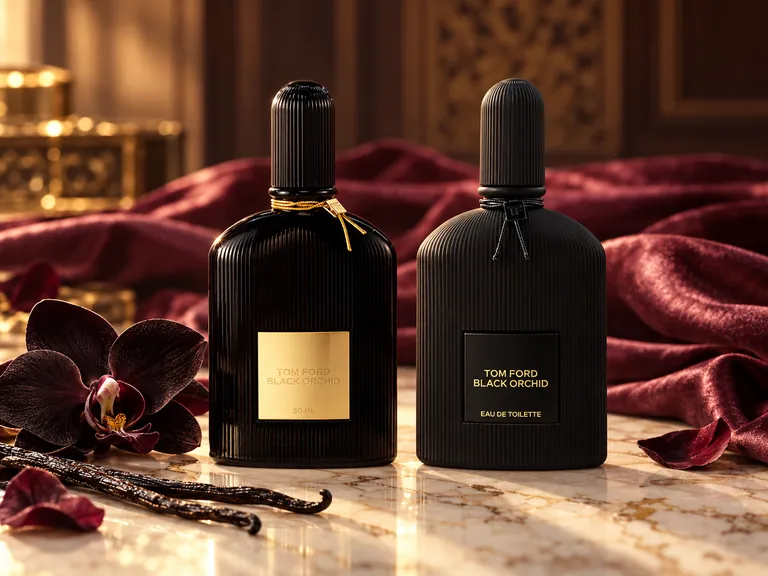
Browse eau de parfum vs eau de toilette
Frequently asked questions
Is it better to get eau de parfum or eau de toilette?
Neither is better in every case. Eau de parfum is generally the stronger and often lasts longer; eau de toilette is generally lighter. The names are a trade convention, so choose by how you will wear it and by testing if you can.
What type of perfume lasts the longest?
Parfum or extrait is generally the strongest of the usual labels and is often described as lasting longest, but longevity depends on the composition, your skin, the climate and how it is applied.
What is the difference between an extrait de parfum and a parfum?
In many listings the two names are used for the same strongest tier, and brands differ in which they use. Compare the stated type and bottle size for the exact product.
Does eau de parfum have a fixed percentage?
No regulator definition that ties the name to an exact percentage was found, and brands set their own strengths, so the same label can mean different strengths from different brands.
Where to look next
Browse the matching category: eau de parfum vs eau de toilette.
Editorial status
- Author
- PowderedPurple Editorial Team
- Responsible publisher
- PowderedPurple (Pty) Ltd
- Last reviewed
- Next scheduled review
- Hands-on testing
- None claimed. The guide uses cited public sources and retailer-listed product details.
- Monetisation
- Editorial only. This page carries no affiliate links.
- Corrections history
- Corrections are logged by PowderedPurple (Pty) Ltd. View the corrections record or email info@powderedpurple.com.
Sources
Sources were opened on 29 October 2026 and are cited for the specific points they support.
Return to the buying guides · Browse the fragrance catalogue
Editorial notice: This guide is independent editorial research, not a product recommendation or ranking. The links on this page are not affiliate links, and PowderedPurple does not earn commission from them. Some PowderedPurple product profiles it links to carry clearly disclosed paid links to the retailer.