
Protein powders: compare the label before the promise
Editorial notice: This Journal article is independent educational content. This page currently contains no affiliate links and no paid placement. Product information should be checked against the cited sources and current product label.
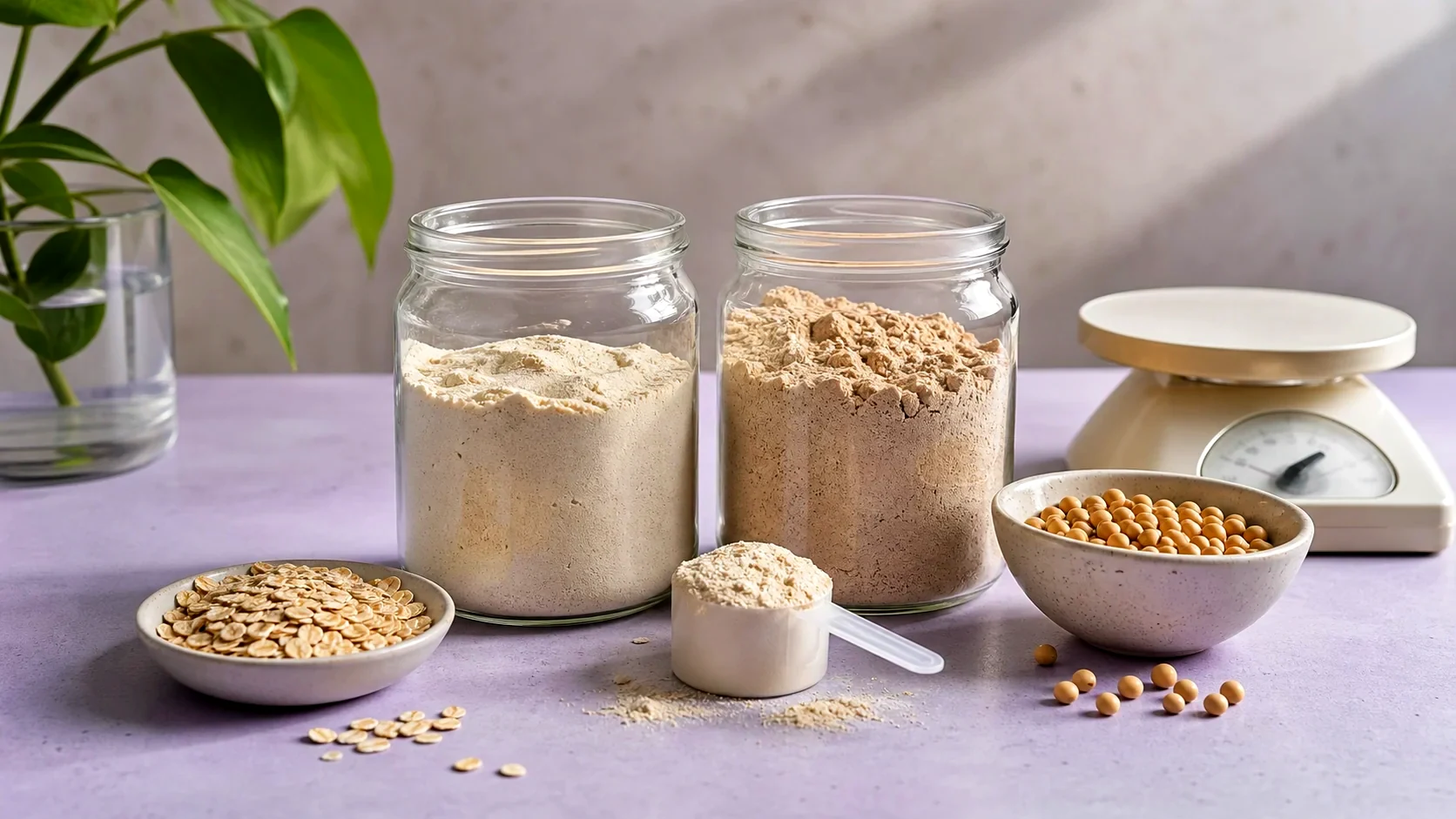
Protein is not one product type
Protein powders can be made from dairy, soy, pea, rice, egg or blended sources. They differ in amino-acid profile, allergens, texture, digestibility and added ingredients. “High protein” is useful only when the amount per prepared serving is clear. Start with the ingredient list and nutrition panel rather than the lifestyle imagery.
Compare like with like
Record grams of protein per serving, serving weight, calories, carbohydrates, fats, sweeteners and the number of servings. A larger scoop can make a label look more impressive. Also note whether a product includes creatine, vitamins, caffeine or other additions, because those change the comparison and may matter to someone avoiding a blend.
What the evidence does not say
Protein can contribute to dietary intake, but a powder cannot replace a balanced diet for everyone and it does not promise muscle gain on its own. Outcomes depend on total intake, training, energy balance, sleep and individual context. A product review should describe what is in the tub, not promise a body outcome.
Allergens and practical use
Milk, soy and other allergens need prominent attention. Some powders are sweetened, heavily flavoured or difficult to mix. These are legitimate buyer considerations. People managing kidney disease or another medical condition should ask a professional before making a high-protein supplement part of a routine.
Editorial checklist
A strong profile records the protein source, grams per serving, amino-acid or blend information when supplied, allergens, sweeteners, preparation, claims and date checked. It also distinguishes manufacturer wording from editorial assessment. This is the difference between helpful product context and an unsubstantiated endorsement.
Editorial status
- Author
- PowderedPurple Editorial Team
- Responsible publisher
- PowderedPurple (Pty) Ltd
- Last reviewed
- Next scheduled review
- Clinical review
- Not reviewed by a registered healthcare professional. This article is limited to public sources and editorial explanation.
- Corrections history
- Corrections are logged by PowderedPurple (Pty) Ltd. View the corrections record or email info@powderedpurple.com.
References
Sources were selected for public accessibility and checked on 1 August 2026.